
Global Status of CCS 2026 launch webinar – APAC
- Tue, Oct 20, 2026
- On demand
- Online
Sustaining global progress - Where is carbon capture and storage advancing, and what will it take to sustain that progress? Explore the latest global data and regional analysis.
The Global Status of CCS is the Global CCS Institute’s annual assessment of carbon capture and storage worldwide.
The 2026 report brings together project data and analysis of the infrastructure, policy, regulation and commercial conditions shaping deployment.
Download the full report for detailed findings and regional perspectives, or the executive summary for the key takeaways.
On demand
Watch the two Global Status of CCS 2026 launch webinars, featuring regional perspectives and practical discussion on the report’s findings and implications.
The global picture
CCS reached a new operational milestone in 2026.
32% of all projects
Project counts and capture-capacity figures are as at 31 July 2026. Mtpa means million tonnes per annum; Mt means million tonnes. Capture capacity is not the same as actual annual CO₂ capture.
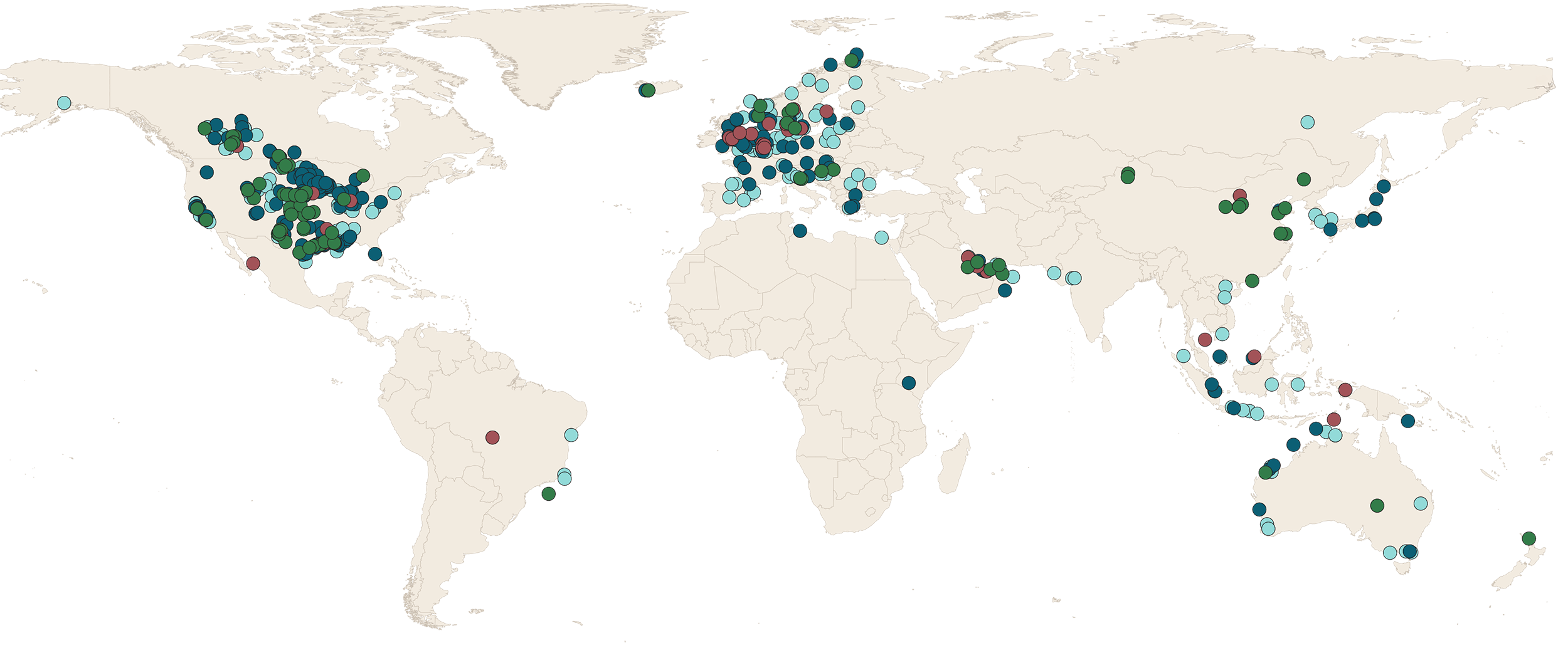
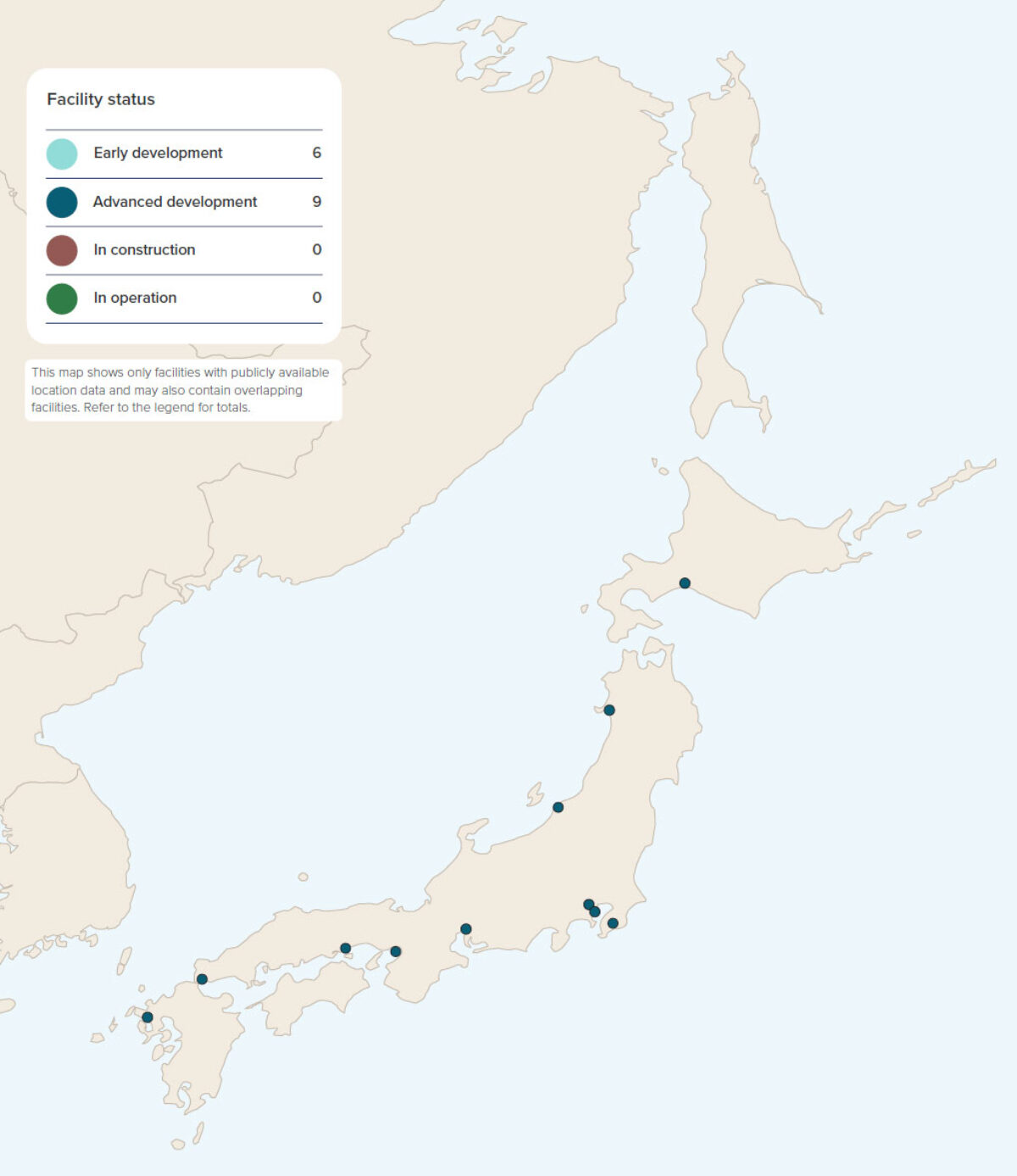
This map shows only facilities with publicly available location data and may also contain overlapping facilities. Refer to the legend for totals.
View map PDFHeadline finding
Operating project numbers increased faster than capture capacity in 2026. The report examines what this changing project mix means for transport and storage networks, investment and the next phase of deployment.
What is driving progress

Shared hubs, pipelines, shipping and storage networks can connect multiple emitters, improve access to storage and support deployment at greater scale. Dedicated CO₂ transport and storage projects account for 32 per cent of all projects tracked by the Institute.

Recognition of CCS in policy is growing, but ambition alone is not enough. Projects need effective permitting and regulation, access to storage, revenue certainty and workable arrangements for managing risk across the value chain.

Commercial CCS deployment depends on predictable revenues and manageable risks. The report examines how private capital, insurance, dedicated finance structures and emerging business models can help turn technical readiness and policy support into investable projects.

Jarad Daniels, CEO, Global CCS Institute
Proven technologies are available for commercial CCS deployment, but projects need an investable business case to deploy.
Regional spotlight
CCS momentum across the Americas continues to be supported by viable business cases, infrastructure and policy development. The region has 63 projects in operation and 18 under construction. Canada is strengthening federal-provincial support, the United States continues to expand commercial projects and infrastructure, while Brazil is building new opportunities for industrial decarbonisation.
Project data as at 31 July 2026
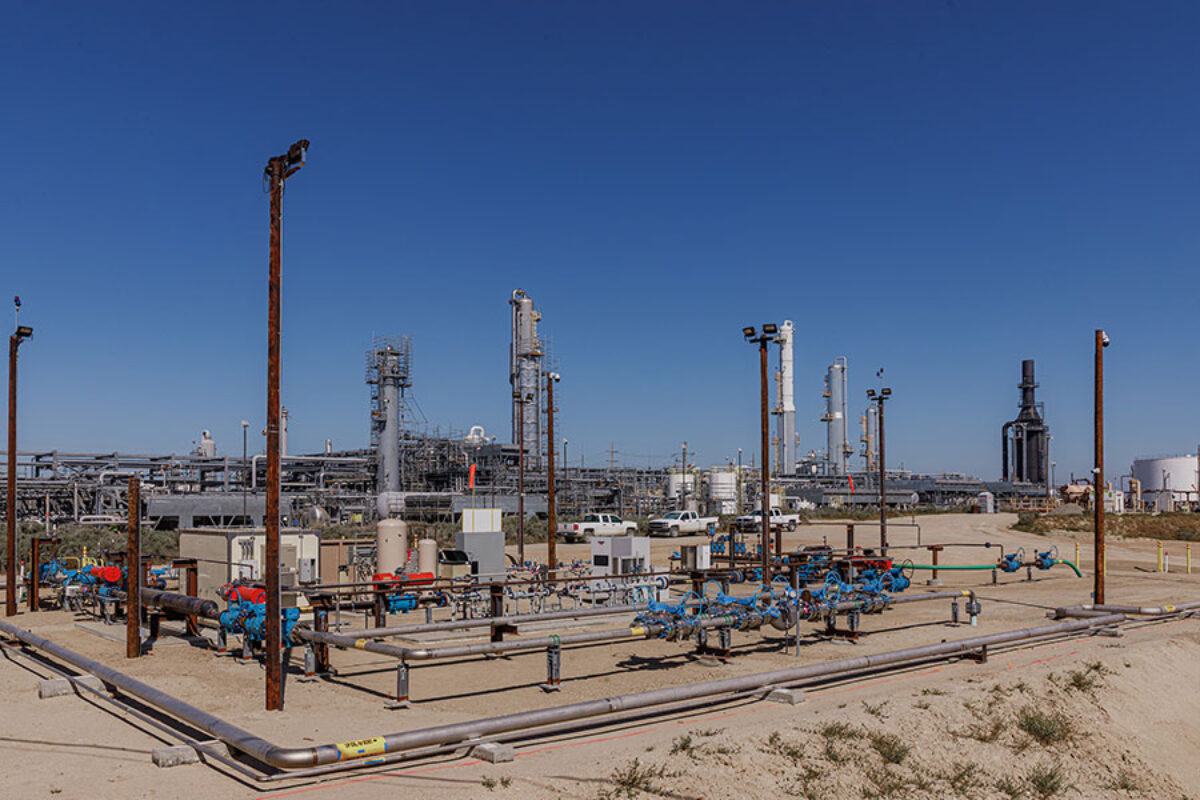
CCS capture facility and metering site at Elk Hills, USA. Image courtesy of California Resources Corporation.
Europe continues to move from policy development towards implementation. Fifteen projects are operating and 21 are under construction, while cross-border agreements, CO₂ shipping and planned pipeline networks are improving connectivity between industrial emitters and storage. Private finance is also beginning to play a more visible role in project commercialisation.
Project data as at 31 July 2026
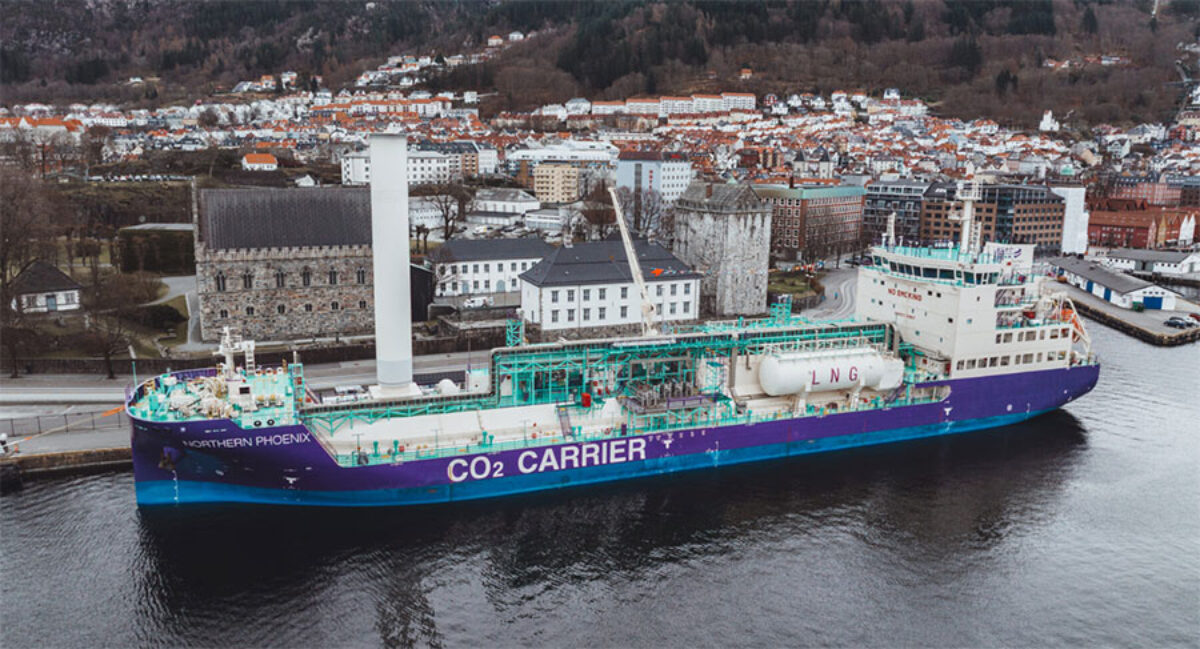
Northern Lights, Norway. Image courtesy of Northern Lights.
CCS progress continues despite regional uncertainty. Gulf countries are advancing large-scale hubs and infrastructure linked to LNG, hydrogen, ammonia, power and heavy industry, while activity across Africa is more targeted around industrial decarbonisation, carbon markets, pilots and emerging carbon removal projects.
Project data as at 31 July 2026
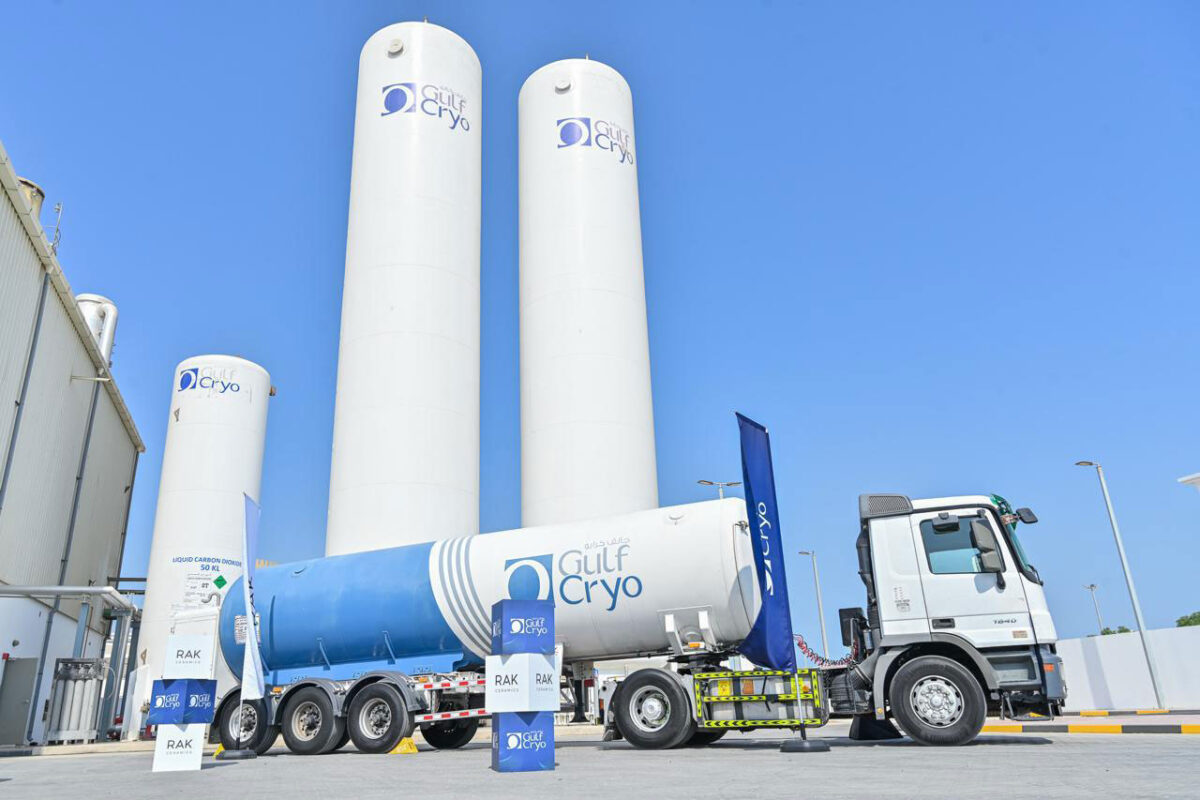
Ras Al Khaimah Power Plant decarbonisation, UAE. Image courtesy of Gulf Cryo.
Policy and regulatory foundations are strengthening across Asia-Pacific and India, but investment remains the central challenge. Only one new CCS project reached final investment decision in the region since the previous report. This year’s analysis examines what is needed to convert policy progress into commercially viable deployment.
Project data as at 31 July 2026. China and Japan are reported separately.
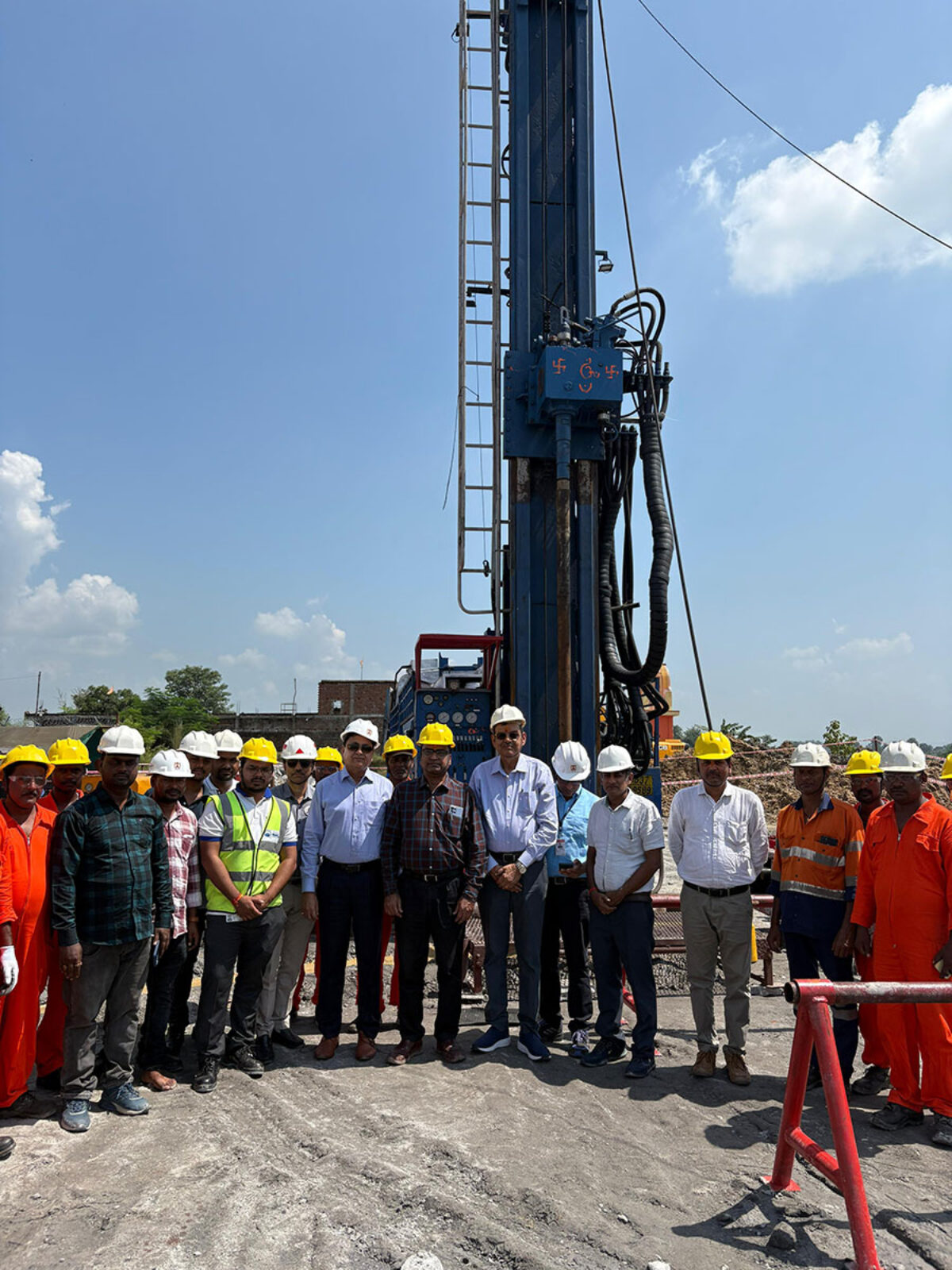
India’s first dedicated stratigraphic test well for CO₂ storage, initiated by NTPC and IIT Bombay. Photo courtesy of Prof Vikram Vishal, Indian Institute of Technology Bombay.
China’s CCUS sector is expanding from individual demonstrations towards a more integrated system spanning power, hard-to-abate industries, offshore applications and transport infrastructure.
China’s 15th Five-Year Plan for the oil and gas sector sets a target of 10 million tonnes of annual CO₂ injection from CCS and CCUS projects by 2030.
Selected China highlights.
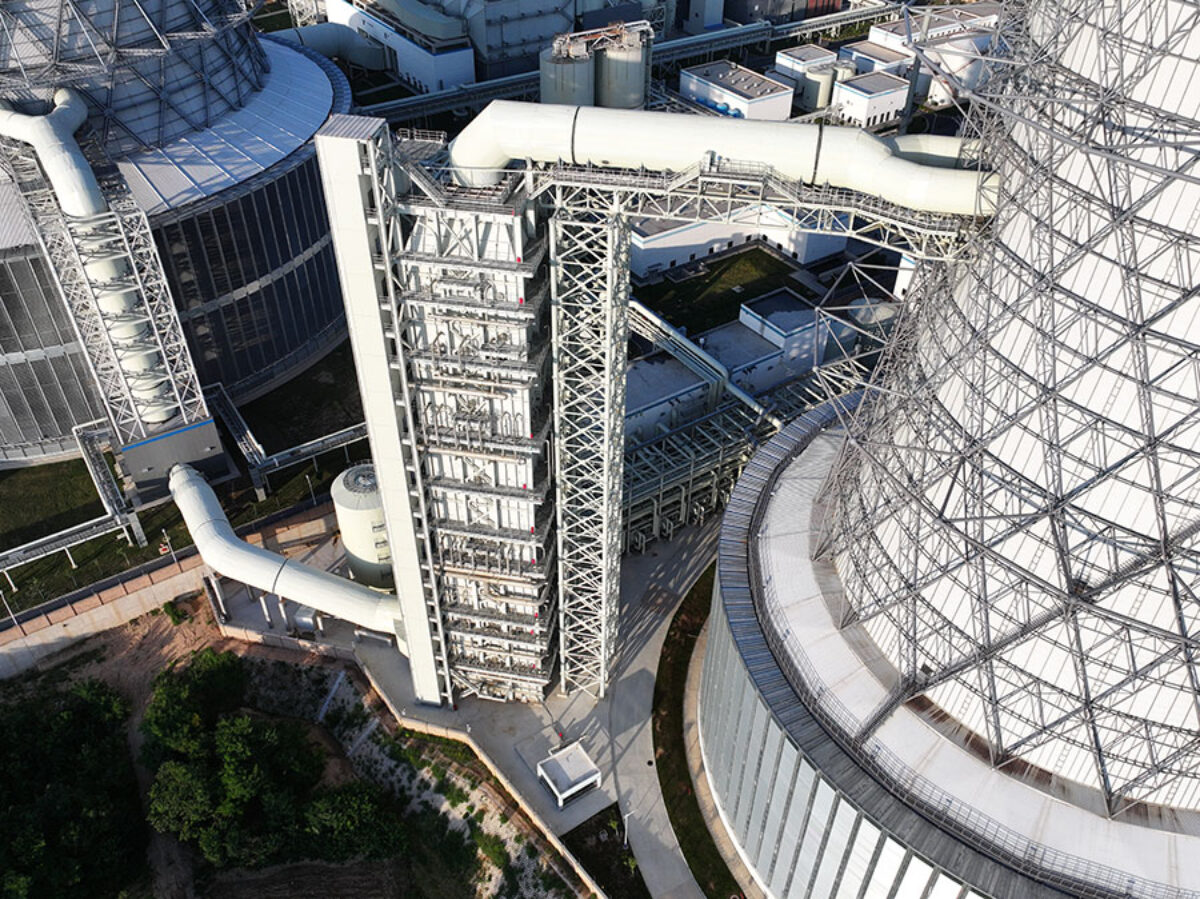
Huaneng Longdong Energy Base CCS Facility. Image courtesy of Huaneng Clean Energy Research Institute.
Japan is moving closer to commercial CCS deployment. The CCS Business Act is now fully in effect, nine Advanced CCS Projects are progressing and the government is developing support mechanisms intended to provide greater investment certainty. Japan is targeting annual CCS volumes of 6 to 12 million tonnes by the early 2030s.
Project data as at 31 July 2026


Read and Download


Download the report, executive summary below or view the past editions
Be part of the global CCS conversation. Stay informed, share ideas, and help shape the future of carbon management through collaboration and action.